

Neurology
LatAm-FINGERS: Can lifestyle intervention help prevent dementia?
Dr Chinelo Ojukwu·4 days ago·5 min read
Medicine Central
Clinical evidence moves faster than guidelines. Our medical team filters, curates, reports and educates on what has changed and how it impacts primary care practice. Providing you a trusted central reference point you can come back to, so you're always current.
Editor's picks

Preclinical studies show sustained molecular responses to GLP-1 receptor stimulation in pancreatic cell models. What does that mean for primary care, and what does it not show?

Type 2 Diabetes
Diagnostic criteria, risk tools, annual care processes and referral pathways.
Chronic Kidney Disease
CKD staging, eGFR monitoring, renal protection and referral pathways.
Obesity
BMI classification, weight management tiers, risk stratification and referral pathways.
Cardiovascular Health
CVD risk assessment, hypertension management, lipid modification and referral pathways.
Asthma
Diagnostic criteria, risk stratification, annual review checklist and referral pathways per NG245.
COPD
Diagnosis, severity staging, smoking cessation, annual review and referral pathways per NG115.


Around one in five adults have abnormal liver blood results. However, in the BALLETS primary care group, only 2.5% had a specific liver disease.

Coding, registers and the four pillars in UK primary care

NICE TA1152 establishes semaglutide 2.4 mg as a secondary cardiovascular-prevention treatment for adults with established cardiovascular disease and a BMI of at least 27 kg/m². Niraj Lakhani considers what this means for primary care.
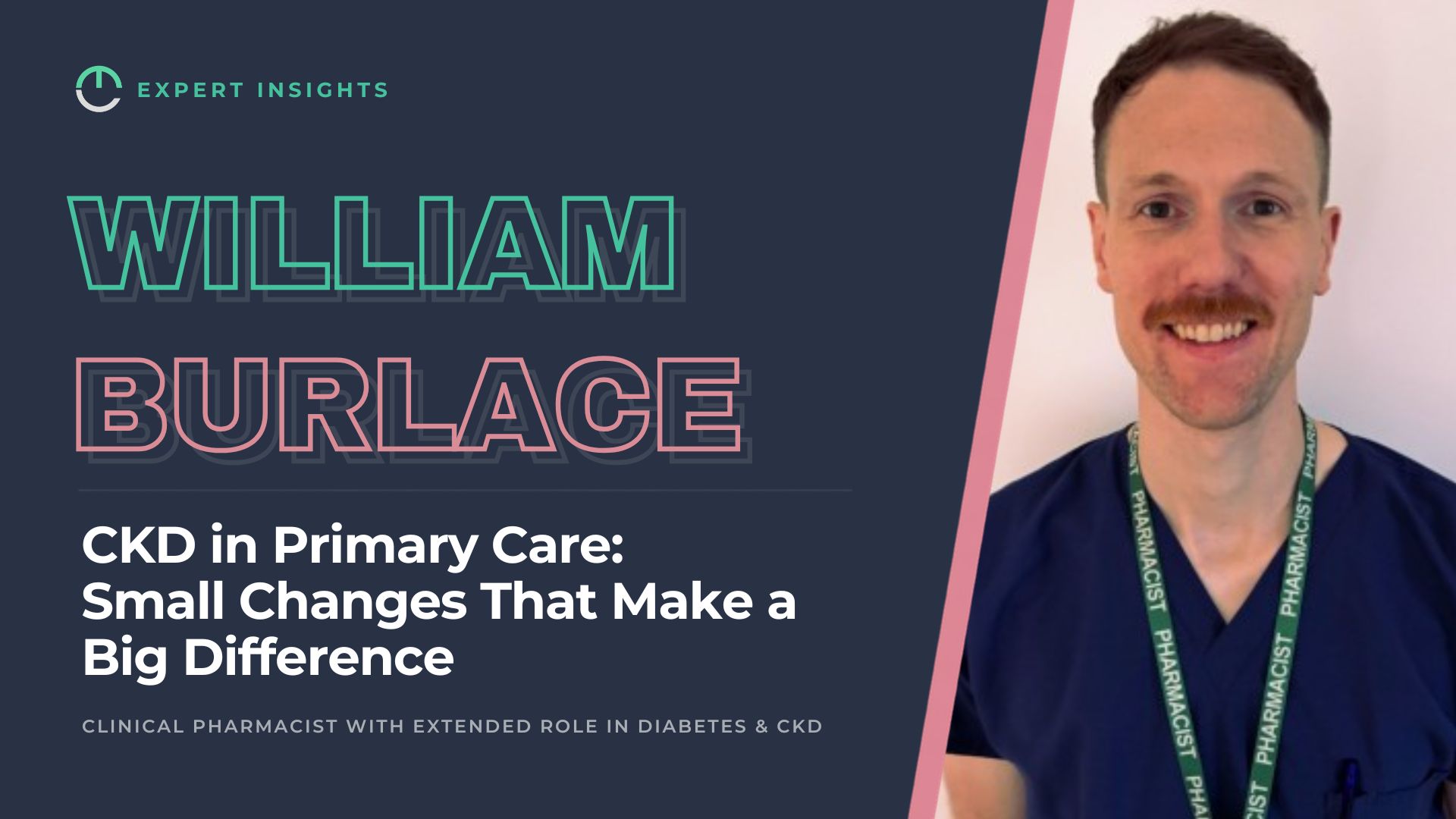
CKD is common, but progression is not inevitable.
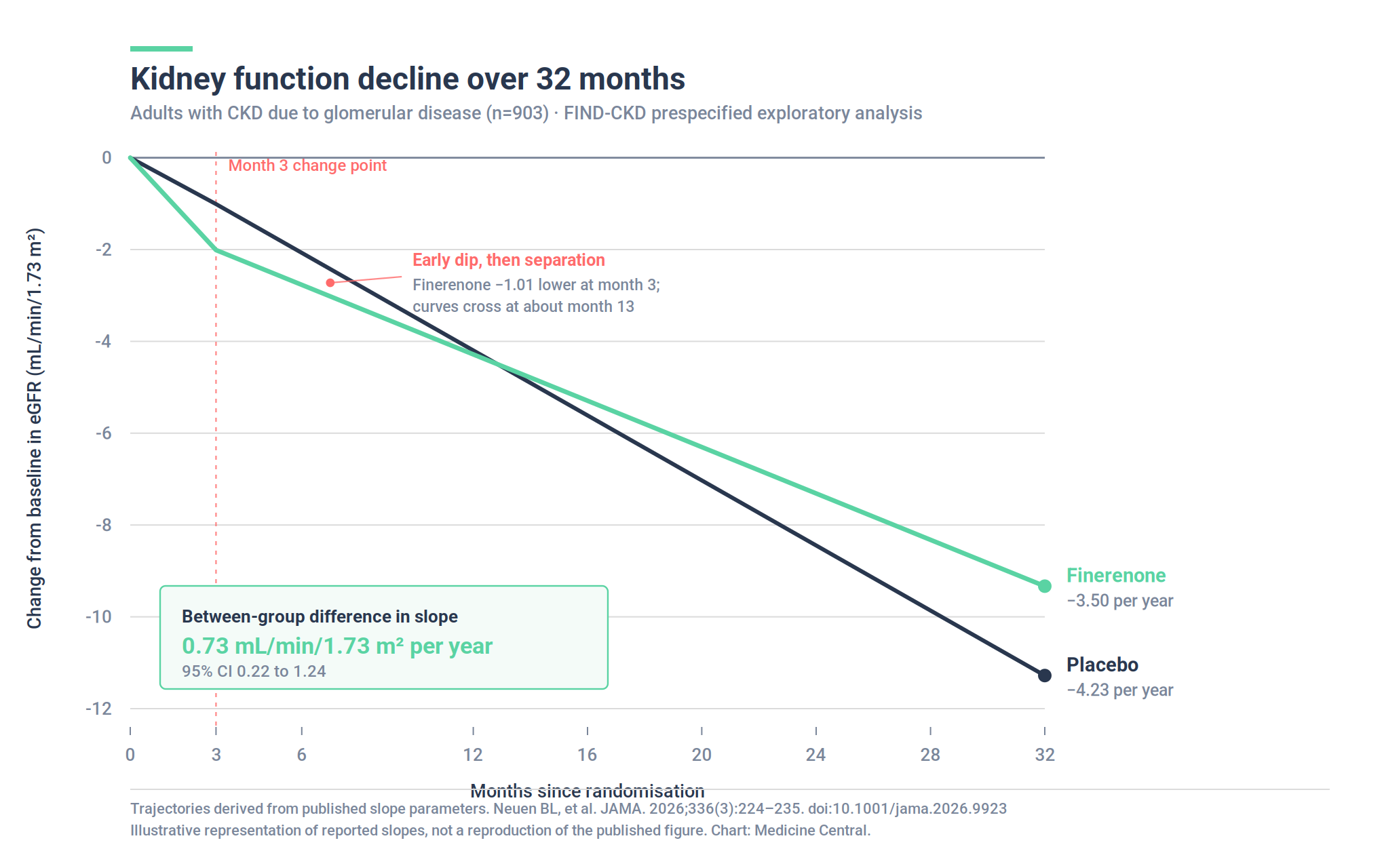
A prespecified exploratory analysis of the FIND-CKD trial reports slower eGFR decline with finerenone in chronic kidney disease due to glomerular diseases.

This is a chance for women to get their mojo back.

Most of us carry a mental model of fatty liver disease as something that turns up more often in men. A new narrative review in Diabetologia suggests it's time for an update.


AI is arriving in care homes — wearables, fall sensors, pain recognition apps. The potential is real. But two compounding problems are not getting enough attention: the data gap and the deployment gap.

New MASH licences clarify the fibrosis stages they cover, while the staging pathway remains the practical question for primary care.

A BMJ network meta-analysis of 262 trials and 99,791 participants compares 19 obesity drugs. The ranking matters less than what sits behind each position.
In focus
From semaglutide to tirzepatide: the evidence on weight management medications is moving fast. Our clinical team breaks down what the latest trials mean for prescribing in primary care.
Read the GLP-1 coverage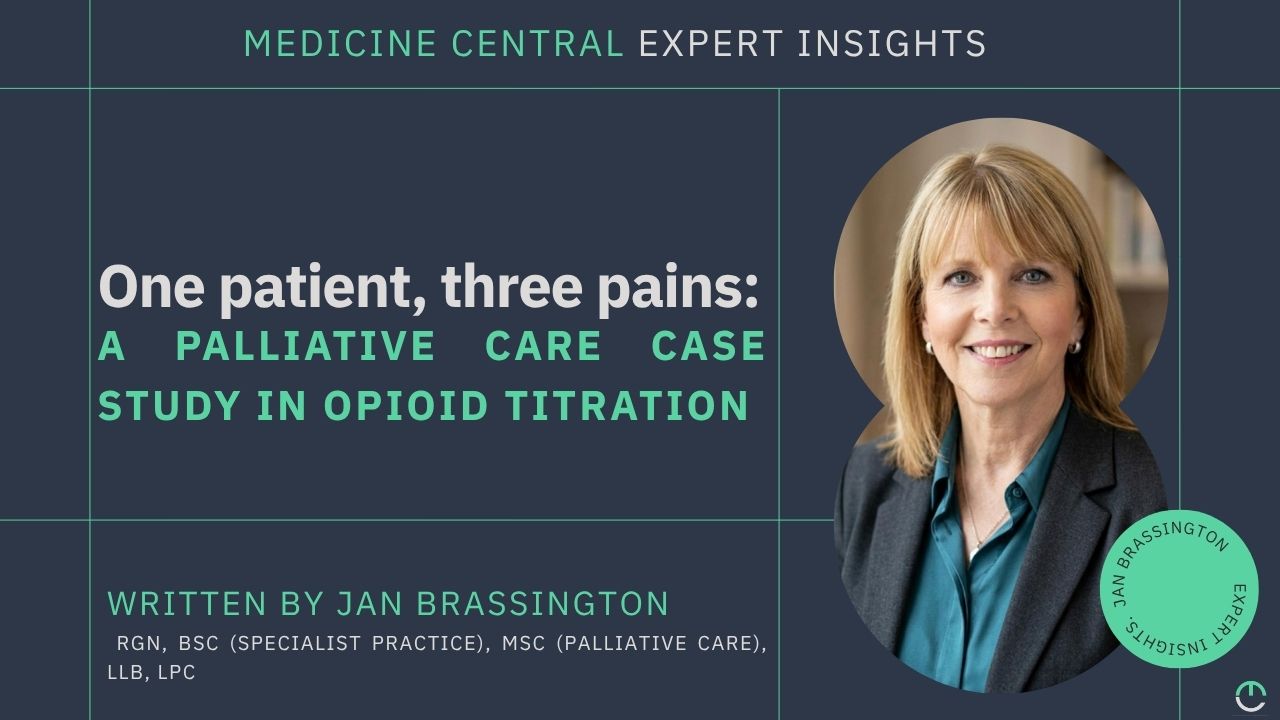
This week, our expert insights will guide you through a case study from Jan Brassington’s webinar, ‘Managing Pain in Palliative Care.’ You can now watch it as an on-demand video on our CPD Webinars page!
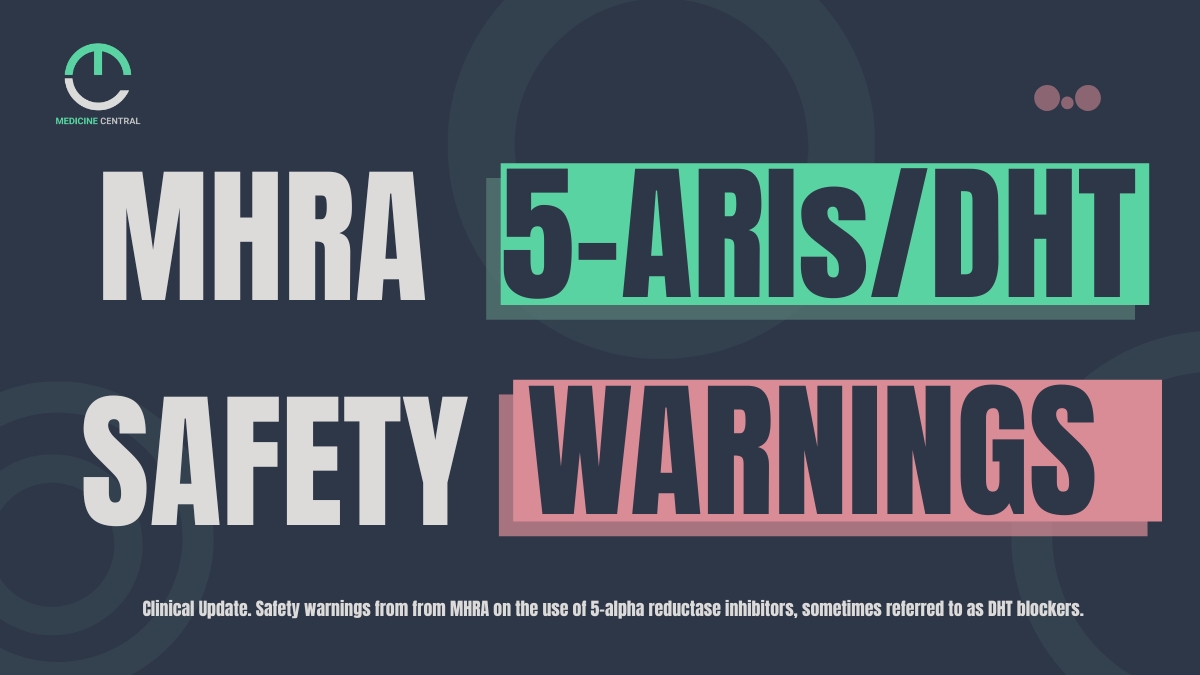
Medicine Central | Clinical Update. Safety warnings from MHRA on the use of 5-alpha reductase inhibitors, sometimes referred to as DHT blockers.
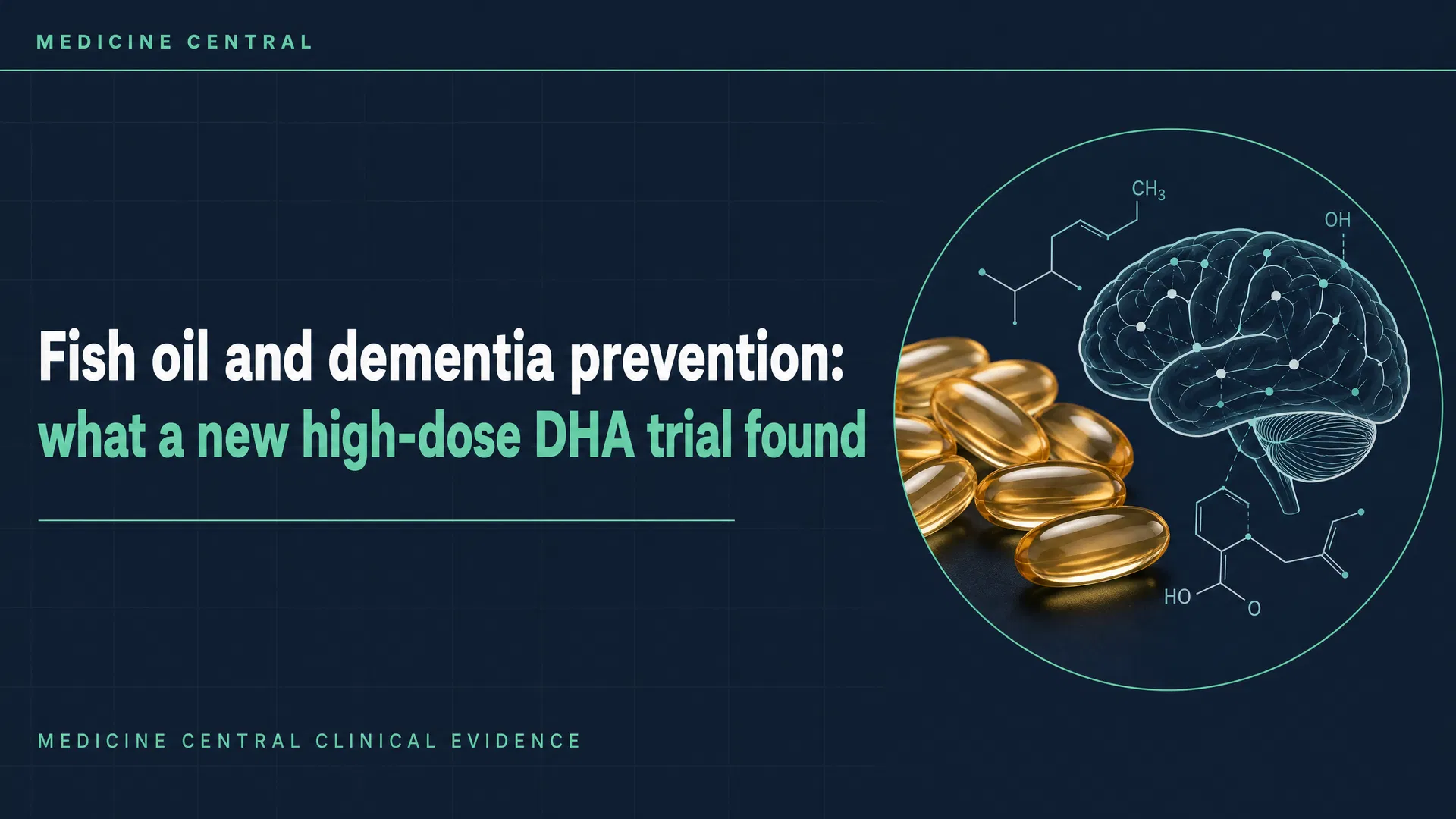
A new randomised trial (PreventE4) confirmed that high-dose DHA supplementation reaches the brain — even in APOE ε4 carriers — but found no measurable benefit on hippocampal volume, cortical thickness, or cognitive scores over 24 months.
Why Medicine Central
Medicine Central is curated especially for UK primary care, with contributions from guest expert clinicians.
Peer-reviewed sources only, with study design and limitations reported alongside the headline.
CPD-eligible webinars let you log time against your appraisal portfolio.
Key publications in 50 words
Post hoc analyses of the two SURMOUNT-OSA phase 3 trials report that tirzepatide was associated with reductions in apnoea-hypopnoea index across every baseline subgroup examined, including age, sex, BMI, neck circumference and OSA severity. Improvement of at least one severity category occurred in 68% to 79% of tirzepatide-treated participants, against 30% to 36% on placebo. These analyses are descriptive and hypothesis-generating only.
Participants with long COVID were randomised to nirmatrelvir-ritonavir (15 or 25 days) or placebo across cognitive, autonomic, and exercise phenotypes. Neither regimen improved primary outcomes versus placebo, and secondary endpoints were also unchanged. No safety concerns emerged: no deaths occurred, and serious adverse events were similar, indicating no benefit in any subgroup.
402 patients with LDL-C ≥1.8 mmol/L were randomised to inclisiran or bempedoic acid. At day 150, the investigators reported greater absolute LDL-C reduction with inclisiran (-1.38 vs -0.45 mmol/L) and a comparable safety profile in high-risk patients not reaching guideline-recommended goals.
Moral case deliberation sessions with 231 clinicians in eight European countries found ethical difficulty in palliative sedation centred on autonomy: fluctuating capacity, patients deferring decisions to relatives, and families delaying agreement. Distress was lower where preferences were documented early and the rationale came from a team. The authors note community settings often lack both.
MNSSTER-V pooled 27,252 under-5s (2007 to 2023) with acute gastroenteritis. In children >3 months who received routine vaccines, ≥1 rotavirus dose showed 75.8% adjusted effectiveness (95% CI 28.4–91.8; n=13,630) against rotavirus-positive gastroenteritis mortality, but 20.8% (–47.0–5.3; n=20,005) against all-cause gastroenteritis mortality.
This week's edition
This week's key publications, each summarised in 50 words by our clinical team.
Free professional account
We will never share your contact information.