
Clinical trials in general practice: answering the safety question
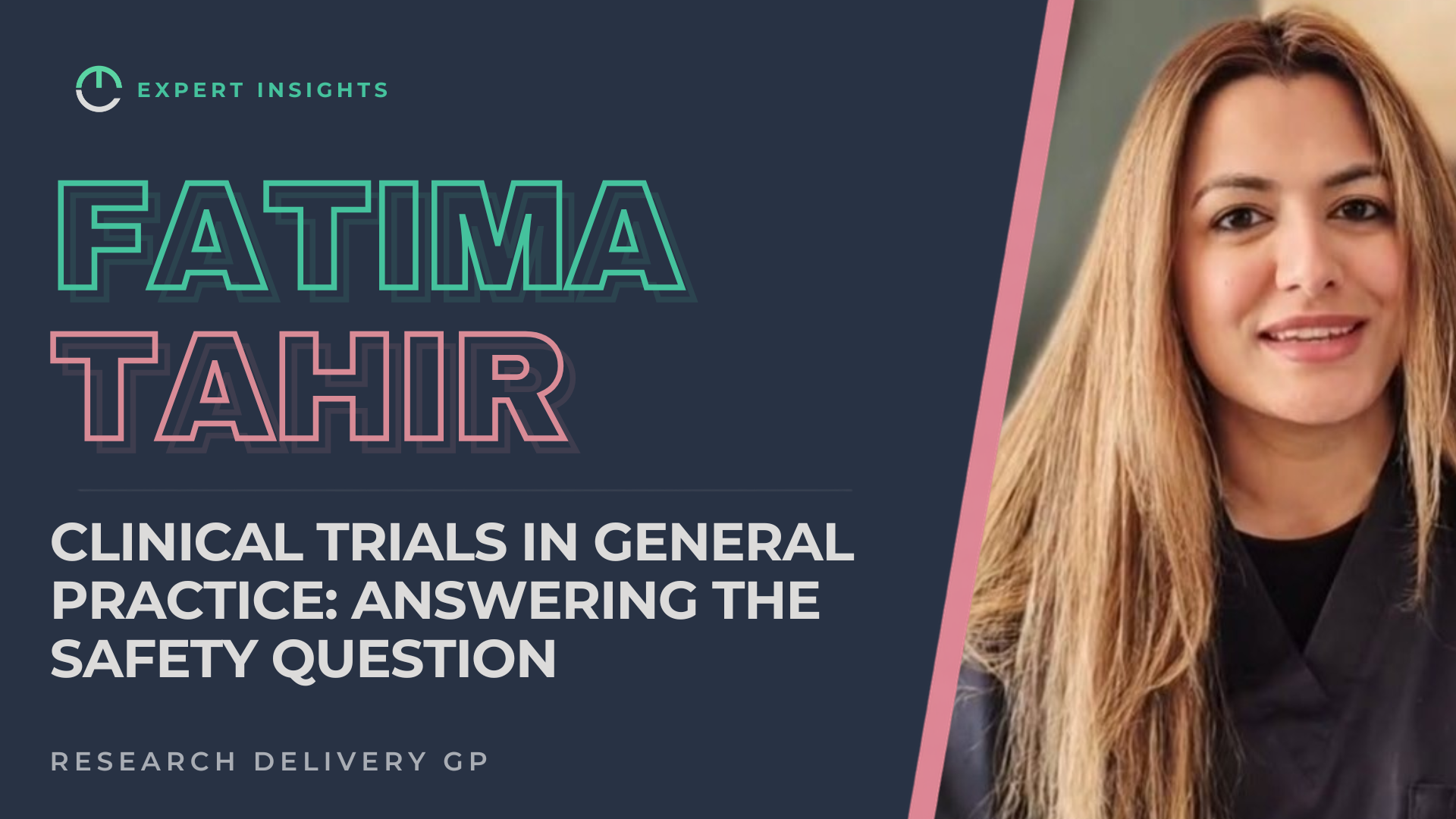
Dr Fatima Tahir explains the safeguards that underpin clinical trials in general practice, from ethical review and informed consent to Good Clinical Practice and ongoing safety monitoring.
One of the most common questions patients ask when they are offered the chance to take part in a clinical trial is very simple: “Is it safe?”
It is an understandable question. The word trial can sound uncertain or experimental, particularly when a study involves a new medicine or treatment.
The reality is that no medical treatment is completely without risk, whether it is given as part of routine NHS care or within a clinical trial. Clinical research does, however, have detailed checks and safeguards designed to protect people who take part.
What happens before a trial starts?
Before a clinical trial of a medicine can begin in the UK, the proposed research must pass through the appropriate regulatory and ethical processes. Independent ethical review is one of the safeguards intended to keep participant safety at the centre of research.1 For trials of investigational medicines, the Medicines and Healthcare products Regulatory Agency (MHRA) also reviews and authorises the trial.2
The research team works to an agreed study protocol. This sets out how the study will be conducted, including who may be eligible, what assessments are planned, how safety concerns are identified and what should happen if a concern arises.
Researchers involved in clinical trials follow Good Clinical Practice (GCP). GCP is an ethical and scientific quality standard for the design, conduct, analysis and reporting of clinical trials of medicines. It is intended to protect the rights, safety and wellbeing of participants, while ensuring that trial results are reliable. GP practices are among the organisations that may need to comply with GCP when they are involved in clinical trials.2
What does informed consent mean?
Taking part in a trial is voluntary. Before someone agrees to join, they should receive clear, proportionate information about what the study involves, its known risks and possible benefits, and what will be expected of them. They should have time to ask questions before deciding whether to take part.3
A participant can choose to leave a trial at any point without giving a reason, and this should not affect the care they receive.4
How is safety monitored during a trial?
Safety monitoring continues after a participant joins a study. Side effects and other medical problems are recorded and assessed. The exact arrangements depend on the study, but serious adverse events require careful monitoring and review. Some trials also have an independent data monitoring committee that can recommend ending a study early if there is a concern that the intervention may be causing harm.5
If an important safety concern is identified, the study may be amended, paused or stopped, following its protocol and regulatory requirements.
The role of general practice
GP practices can play an important role when research is delivered in primary care. GPs and practice teams know their patients’ medical history, medicines and wider circumstances. Within the agreed study and local arrangements, that knowledge can help with appropriate identification of people who may be eligible for a study, informed discussion about participation and safe follow-up.
Safety does not mean no risk
Clinical trials are designed to answer questions where there is still uncertainty. They are not risk-free. But they are regulated, closely monitored and built around the principle that participant safety comes first.
For patients, a useful starting point is to ask what the trial is trying to find out, what participation would involve, the possible risks and benefits, and who to contact if they have concerns.
Further information for patients
Interested in bringing research into your practice?
Dr Fatima Tahir runs an 8-week programme for GPs with no previous research experience. It covers how UK primary care research works, how to prepare a practice for research, where to find support, and the first practical steps towards delivering studies. Enrolment is paid. People who join the waitlist before 14 October 2026 get priority access to the founding cohort at a reduced price. Join the waitlist: https://link.contentcreatormachine.com/preview/gNyaM5nARtK3IdpS6srq?notrack=true
This is Dr Tahir's own programme and is not run or endorsed by Medicine Central.
References
Health Research Authority. Our role protecting research participants.
Medicines and Healthcare products Regulatory Agency. Clinical trials for medicines: Good Clinical Practice inspections.
Health Research Authority. Informing participants and seeking consent.
NHS. Clinical trials.
National Institute for Health and Care Research. Clinical trials guide.
Enjoyed this article?
- ✓Unlimited access to clinical evidence articles
- ✓Weekly newsletter curated for UK primary care
- ✓Free for registered UK healthcare professionals