Chronic Kidney Disease
Chronic Kidney Disease in Primary Care: Small Changes That Make a Big Difference
CKD is common, but progression is not inevitable.
William Burlace2 months ago · 5 min read
Browse all clinical evidence, news, and expert commentary
CKD is common, but progression is not inevitable.
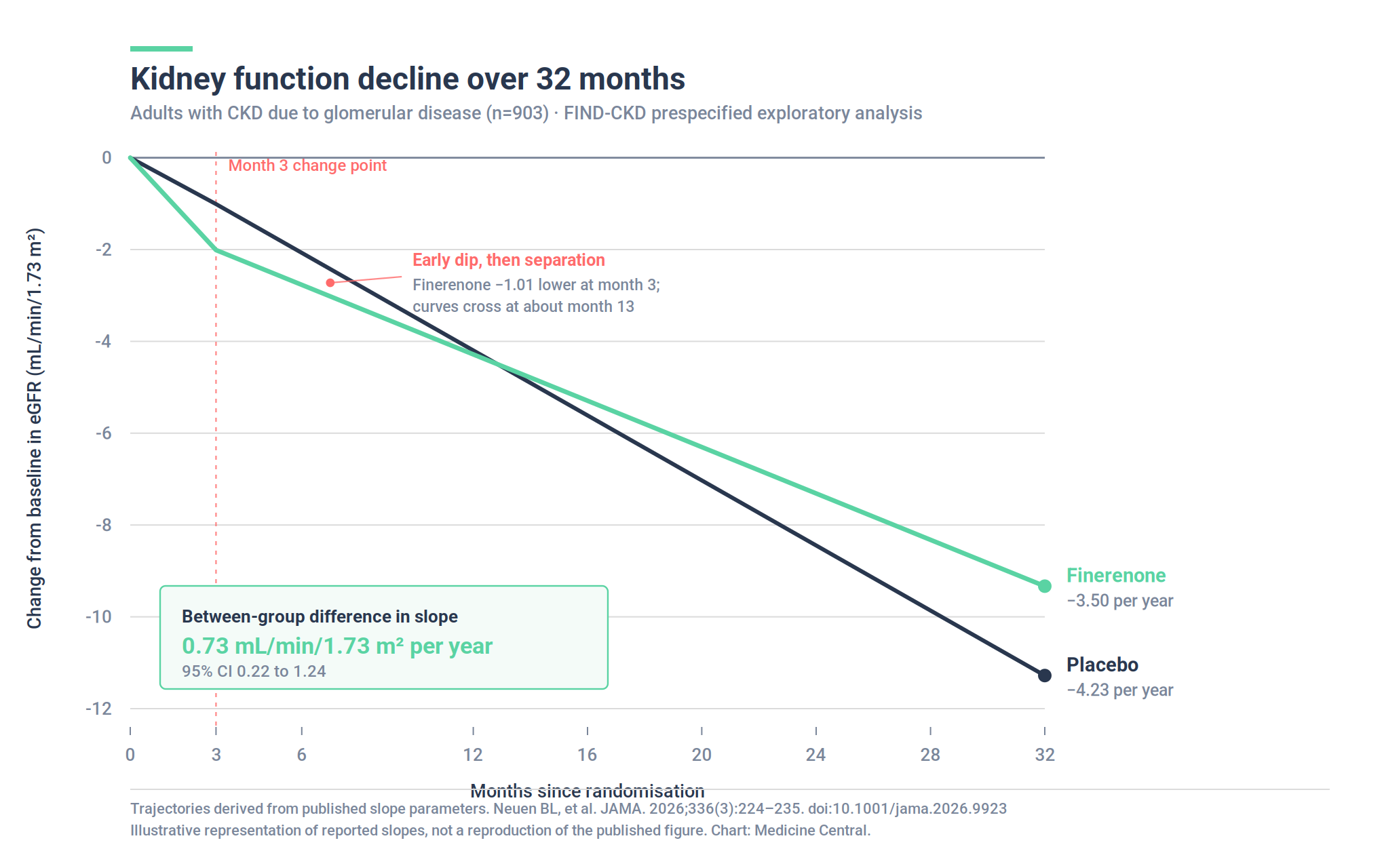
A prespecified exploratory analysis of the FIND-CKD trial reports slower eGFR decline with finerenone in chronic kidney disease due to glomerular diseases.
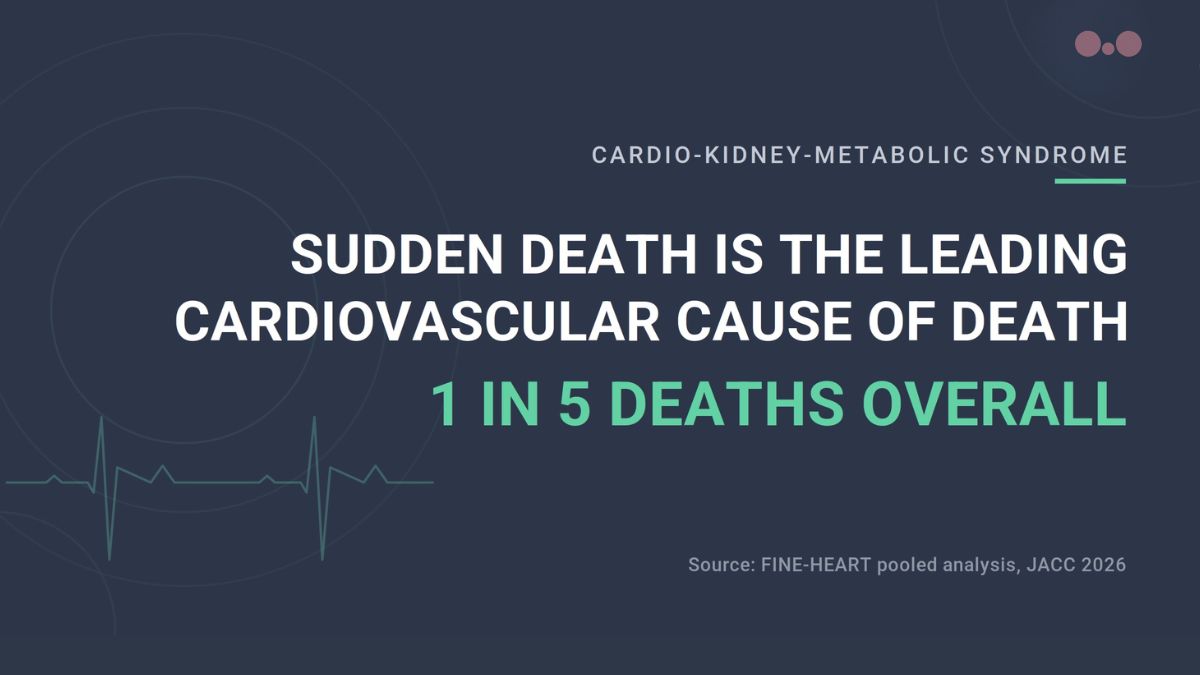
Sudden death is the single leading cardiovascular cause of death in cardio-kidney-metabolic syndrome, a pooled analysis of nearly 19,000 trial participants finds. Here is what the FINE-HEART data show, and what they mean for primary care.
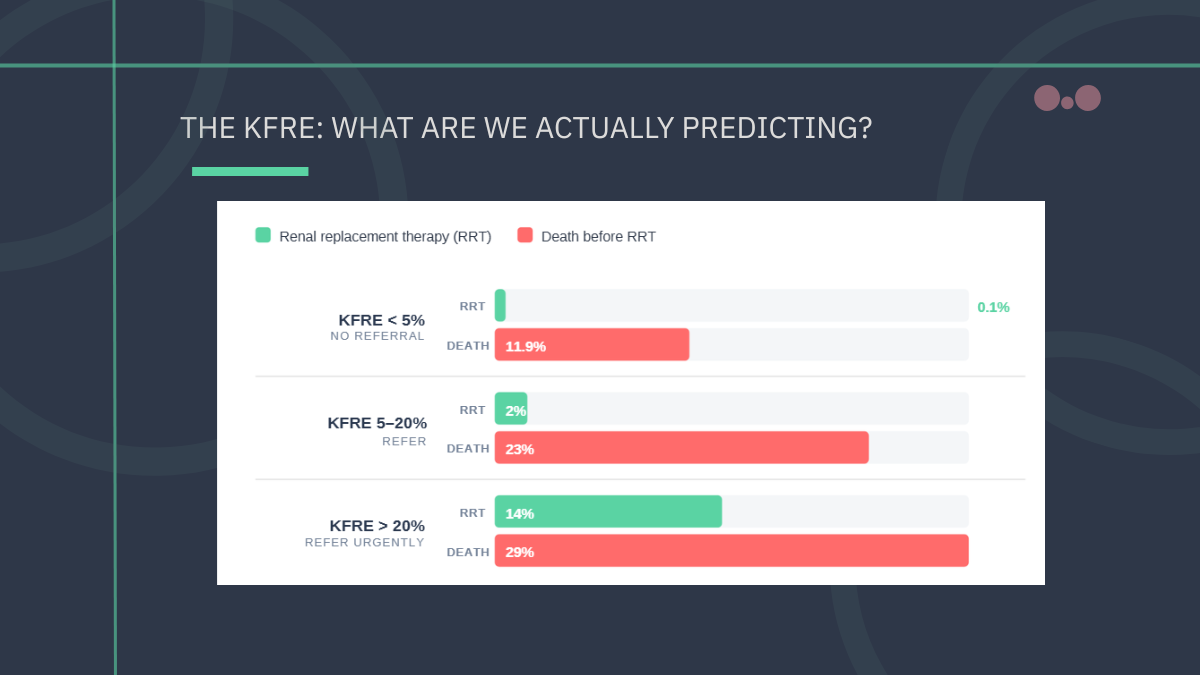
The kidney failure risk equation is now in NICE guidance. A new BJGP study from Greater Manchester found that, for most patients, the risk of death is much higher than the risk of needing dialysis.
When a patient stops a medication, the assumption is usually that the benefits stop too. The EMPA-KIDNEY post-trial follow-up, published in NEJM, checked if this is true for SGLT2 inhibitors in CKD.
One in 10 patients surveyed by Kidney Care UK found out they had CKD by seeing it recorded in the NHS App. Almost 40% had no opportunity to discuss the diagnosis with a healthcare professional.