
Type 2 Diabetes
FreeDM2: Real-time CGM for type 2 diabetes on basal insulin.
A UK randomised trial in the largest insulin-treated type 2 cohort that NICE guidelines NG28 doesn't currently fund.
5 days ago
UK Healthcare Professionals only
Weekly newsletter (optional)
Join the weekly newsletter to receive curated evidence that matters.
Browse all clinical evidence, news, and expert commentary
A UK randomised trial in the largest insulin-treated type 2 cohort that NICE guidelines NG28 doesn't currently fund.
The February 2026 update to NG28 ends that era. Most newly diagnosed patients will now be offered an SGLT-2 inhibitor alongside metformin from the outset.
The SCOUT trial is the first pragmatic head-to-head comparison of all four commonly used UTI regimens in a single trial. The results reinforce rather than redraw the UK prescribing picture — but they do sharpen one key question for primary care.
The mandate is clear: if a diagnosis remains unsubstantiated or symptoms escalate after three appointments — Reflect, Review, and Rethink. Three strikes and we rethink.
The PRUDENCE trial tested point-of-care diagnostics across 2,639 patients in 13 countries. It didn't reduce antibiotic prescribing. The reason why matters more than the result.
From raised LDL to a new non-hormonal drug class and the largest HRT safety study to date, this week is all menopause in primary care.
Dr Frederick Reynolds, a GP using ambient scribes day-to-day, has written the kind of thoughtful, first-hand review these tools deserve.
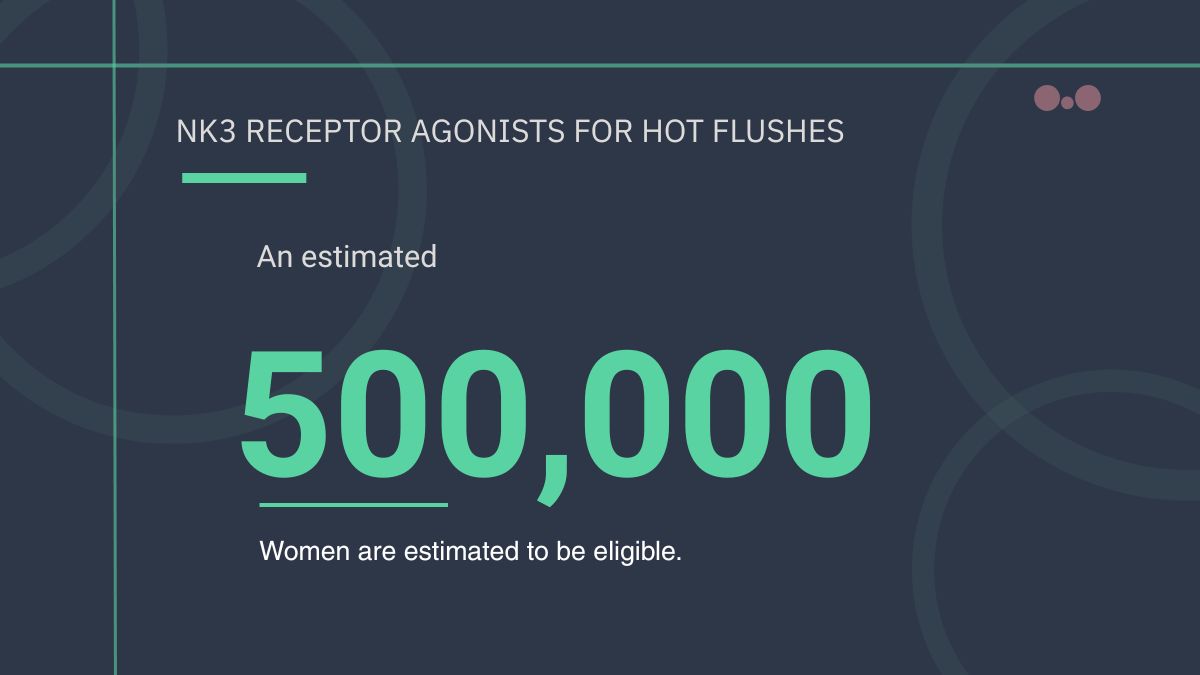
NICE has now recommended the first drug in a genuinely new class — Fezolinetant in TA1143. It's an NK3 receptor antagonist for moderate to severe menopausal vasomotor symptoms when HRT isn't suitable.
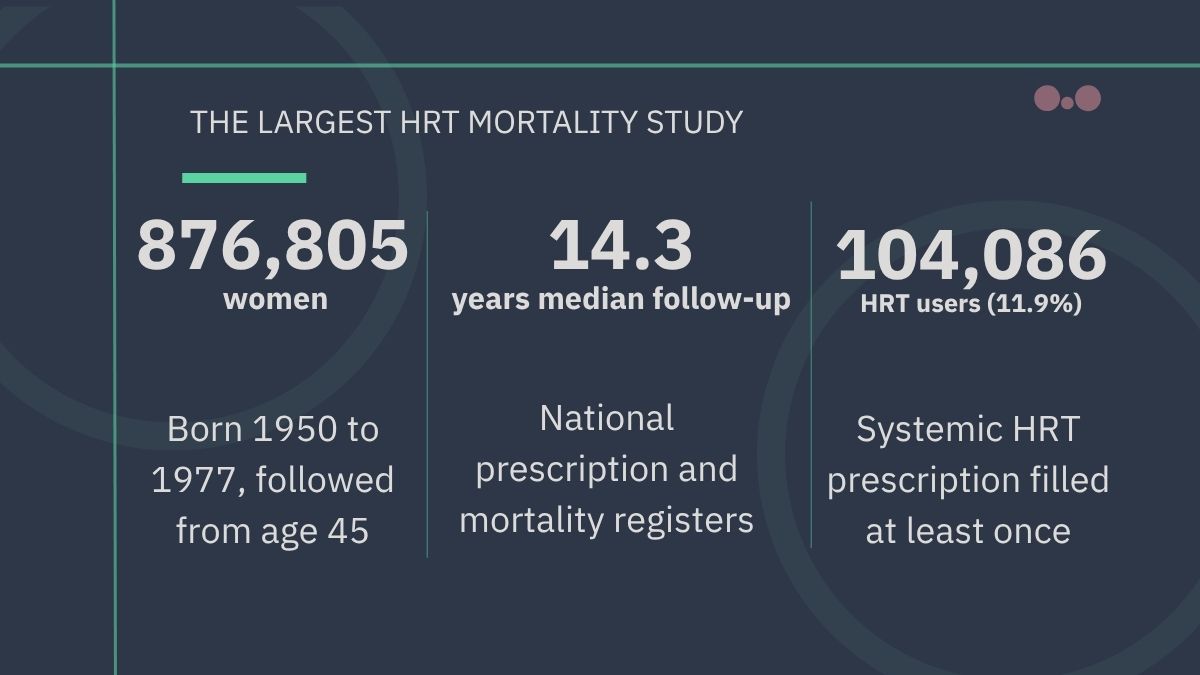
No excess mortality after 14 years. No signal for cardiovascular or cancer deaths; plus a survival benefit in women after bilateral oophorectomy.
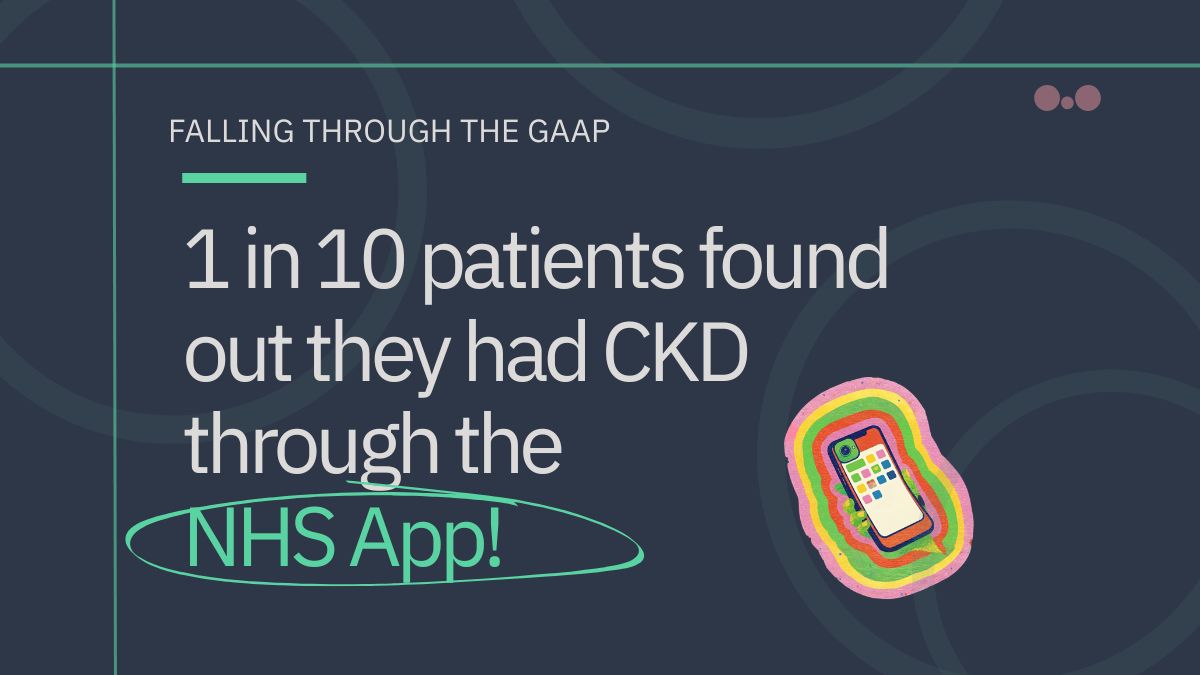
One in 10 patients surveyed by Kidney Care UK found out they had CKD by seeing it recorded in the NHS App. Almost 40% had no opportunity to discuss the diagnosis with a healthcare professional.
The EVOKE trials are in, and the answer is no. Novo Nordisk has terminated the programme and discontinued the planned one-year extension of both trials.
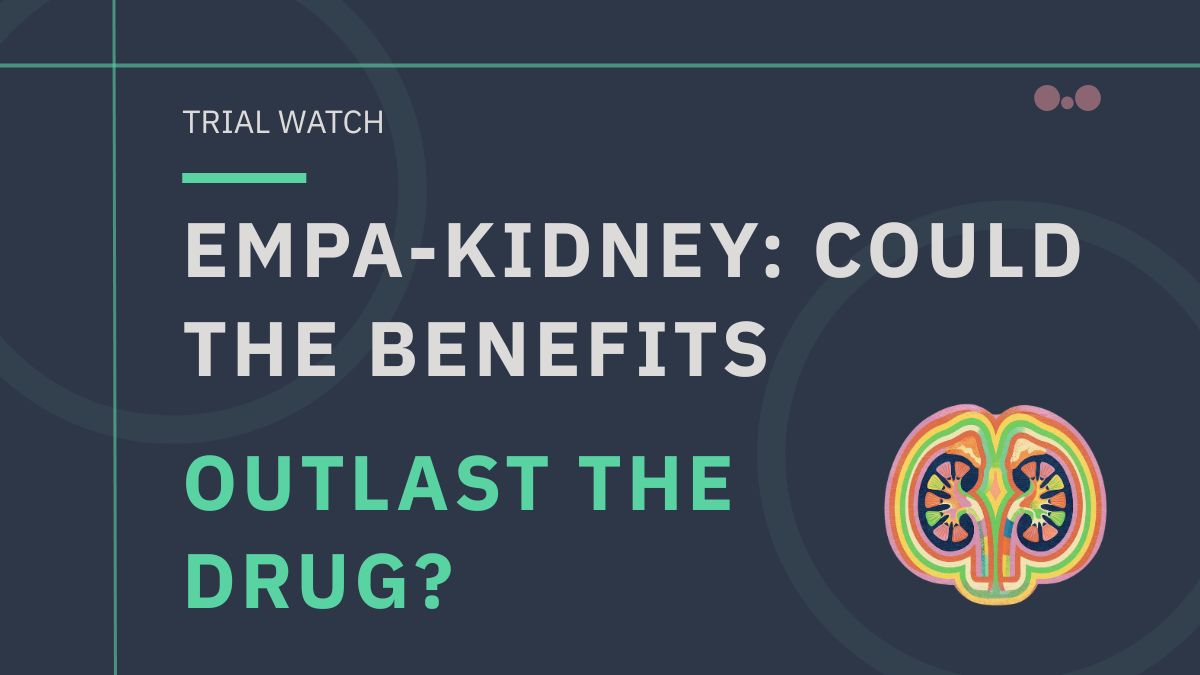
When a patient stops a medication, the assumption is usually that the benefits stop too. The EMPA-KIDNEY post-trial follow-up, published in NEJM, checked if this is true for SGLT2 inhibitors in CKD.
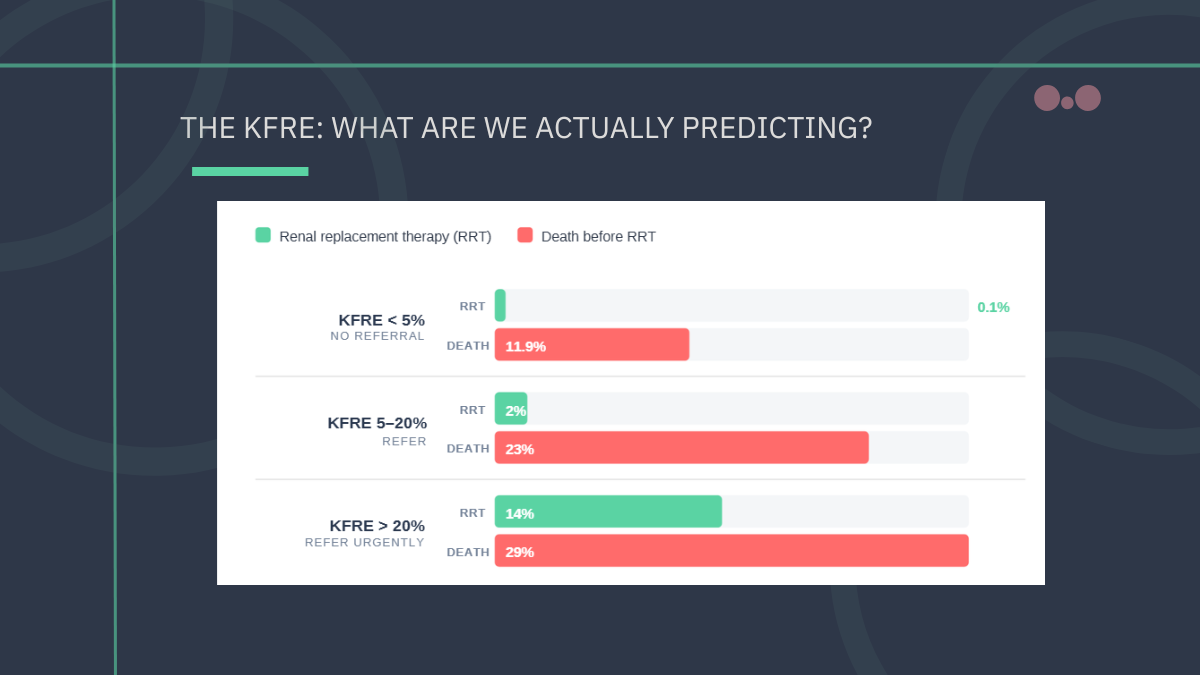
The kidney failure risk equation is now in NICE guidance. A new BJGP study from Greater Manchester found that, for most patients, the risk of death is much higher than the risk of needing dialysis.
For over a decade, the question of whether to use apixaban or rivaroxaban for treating acute VTE has remained. The COBRA Trial in NEJM finally provides a head-to-head comparison.

Low-dose multi-drug pills are key and new ways to tackle resistant hypertension are emerging. Since 2022, many Phase III antihypertensive trials have been reported.
At what age do you stop offering statins for primary prevention? It's a question the guidelines can only partially answer.
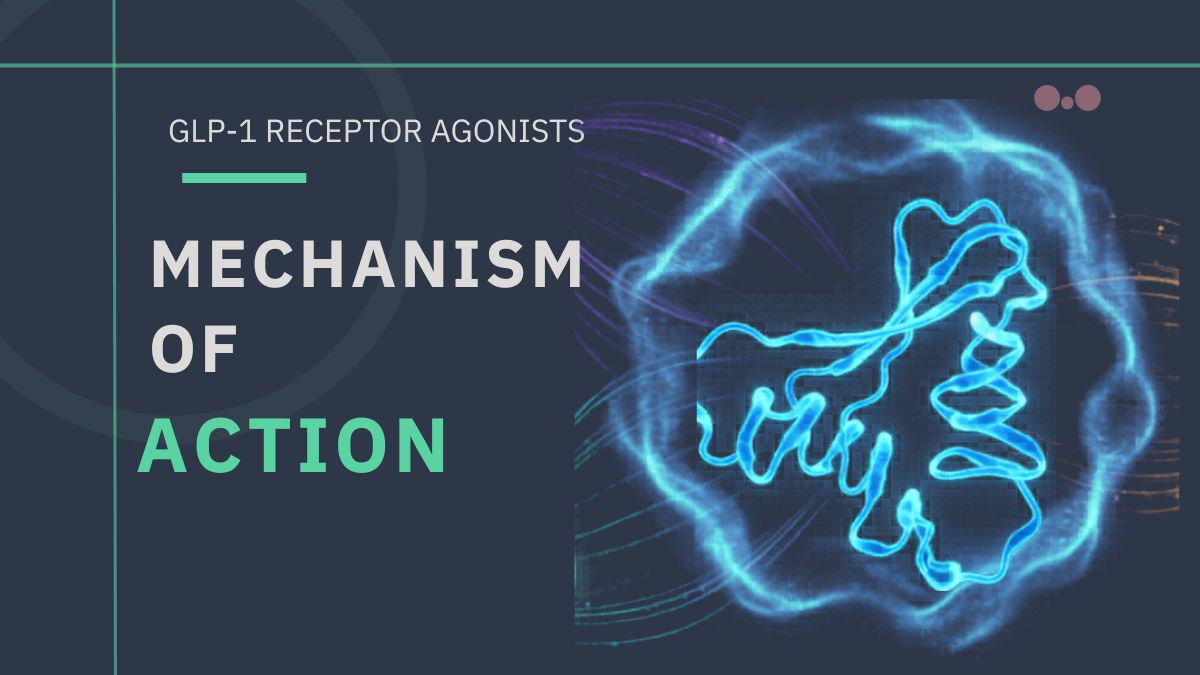
How GLP-1 receptor agonists drive weight loss across the brain, gut, and metabolism.
Both SGLT2 inhibitors and GLP-1 receptor agonists protect the kidneys in type 2 diabetes. A large new JAMA study is the closest we have to a head-to-head answer — and the results are not straightforward.
Individualised HRT offers substantial symptomatic relief with acceptable safety when used appropriately; however, ongoing research is needed to address persistent uncertainties about long-term outcomes.
What the RCGP and Patients Association report means for GP workload, referrals, and NHS digital systems.
1 in 17 people will be affected by a rare disease in their lifetime. Most will wait years for a diagnosis. The default answer has always been that primary care needs more education — but is that actually true?
Imperial College London just published the results of a trial called TRICORDER, a handheld device that can diagnose conditions without blood tests or waiting lists.
For 26 years, NICE has used the same yardstick to decide whether a new medicine is worth funding. From April 2026, that yardstick is changing for the first time, and prescribers will feel it.
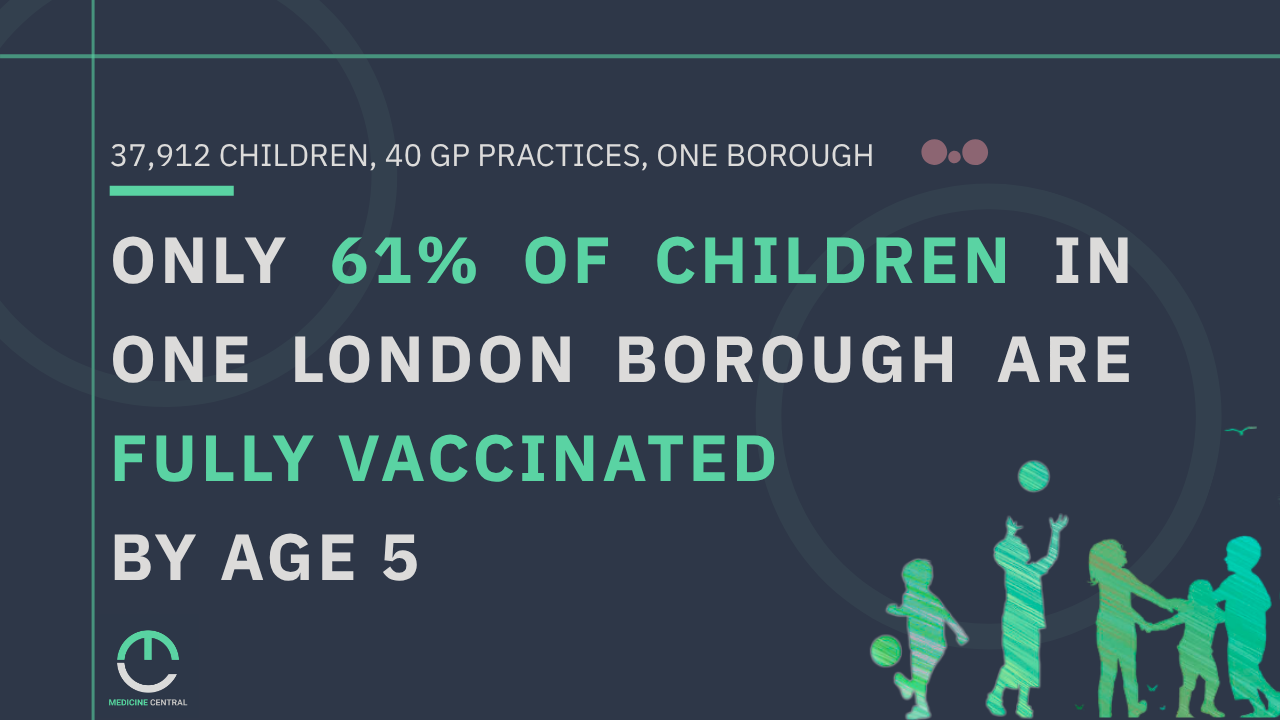
Childhood vaccination is supposed to be one of the most straightforward public health interventions. So why are rates falling in parts of London?
We use cookies to improve your experience and analyse site usage. Strictly necessary cookies are always active. By clicking Accept All, you consent to analytics and performance cookies. Cookie Policy · Privacy Policy