
The safety circuit breaker: redefining the diagnostic journey (Jess's Rule)
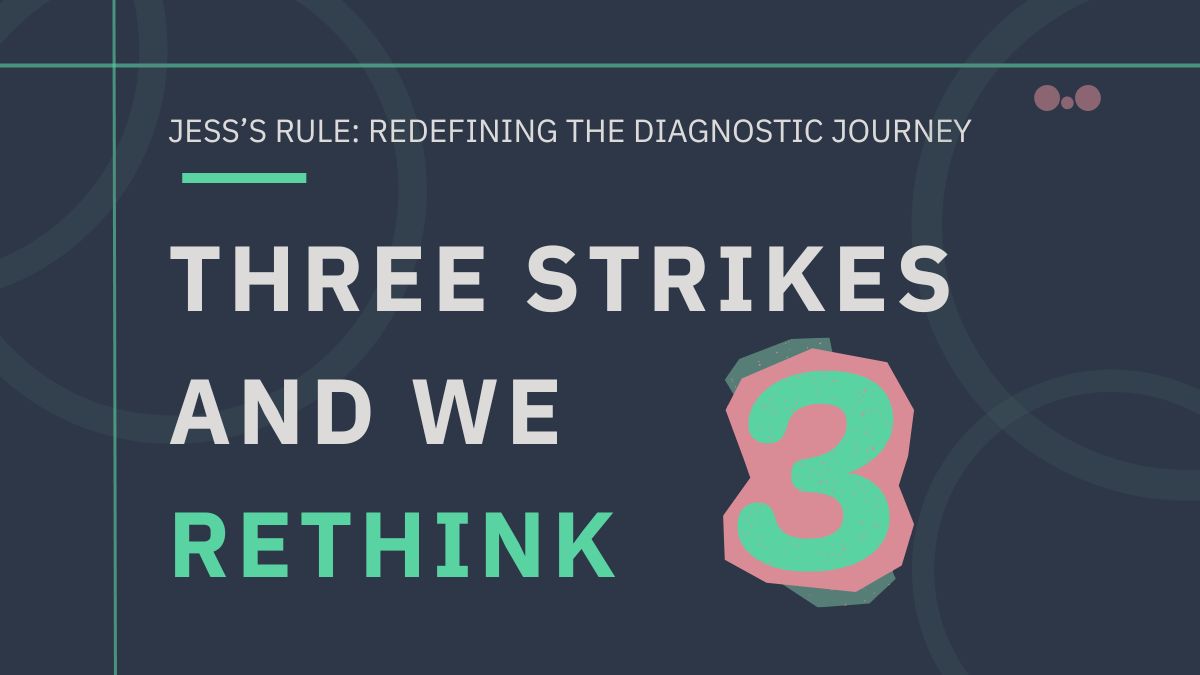
The mandate is clear: if a diagnosis remains unsubstantiated or symptoms escalate after three appointments — Reflect, Review, and Rethink. Three strikes and we rethink.
In the high-stakes, high-volume world of primary care, the most dangerous moments are often the quietest—the subtle "diagnostic drift" that occurs when a patient’s symptoms persist just long enough to become familiar. January 2026 has introduced a set of national "circuit breakers" designed to pause this drift, turning the routine consultation back into an act of active discovery.
The "Third Visit" threshold: The arrival of Jess’s rule
This month, a visual change is coming to all 6,170 GP surgeries across England. The government has begun distributing the official "Jess’s Rule" posters, a national safety drive that formalises a simple but profound clinical trigger.
The story of the "third visit" is one every clinician recognises: a patient returns with the same unresolved concern, and the risk of "confirmation bias" begins to climb. Jess’s Rule acts as a mandatory pause. It asks for a "fresh eyes" approach at this critical junction. The mandate is clear: if a diagnosis remains unsubstantiated or symptoms escalate after three appointments, the system prompts a triple-action response: Reflect, Review, and Rethink.
This isn't just about another referral; it’s about a change in perspective. The rule encourages arranging a face-to-face examination if previous touches were remote, seeking a peer’s opinion to challenge initial assumptions, and revisiting red flags with renewed intensity. By placing these posters in every consultation room, the initiative transforms the "persistent" symptom from a clinical frustration into a safety alert.
Medicine Central is a clinical evidence review for UK primary care clinicians. Content reflects evidence current at time of publication and should be read alongside local formulary and clinical guidance. Guest contributors retain responsibility for the accuracy and originality of their work. Views expressed are the author's own and do not necessarily reflect those of Medicine Central. For healthcare professionals only.
Enjoyed this article?
- ✓Unlimited access to clinical evidence articles
- ✓Weekly newsletter with clinical evidence
- ✓Free for registered healthcare professionals