
More heart attacks and strokes after stopping statins in the over-70s
After STREAM finished, the trial's safety board advised anyone who stopped their statin to consult their doctor about restarting it.
CLINICAL DATA
STREAM asked whether older adults can safely stop a statin taken for primary prevention.¹
It randomised 1,880 people aged 70 and over, at 24 sites in Switzerland, France and the Netherlands, to stop or continue. All had at least two long-term conditions and no known cardiovascular disease. Mean age was 77.5, and 53.5% were recruited by their GP.
The primary outcome was non-fatal heart attack, non-fatal ischaemic stroke or death from any cause. The test was whether stopping cost more than 5.2 event-free weeks over two years. It cost 2.0 weeks (95% CI −3.7 to −0.3), so stopping was non-inferior.¹
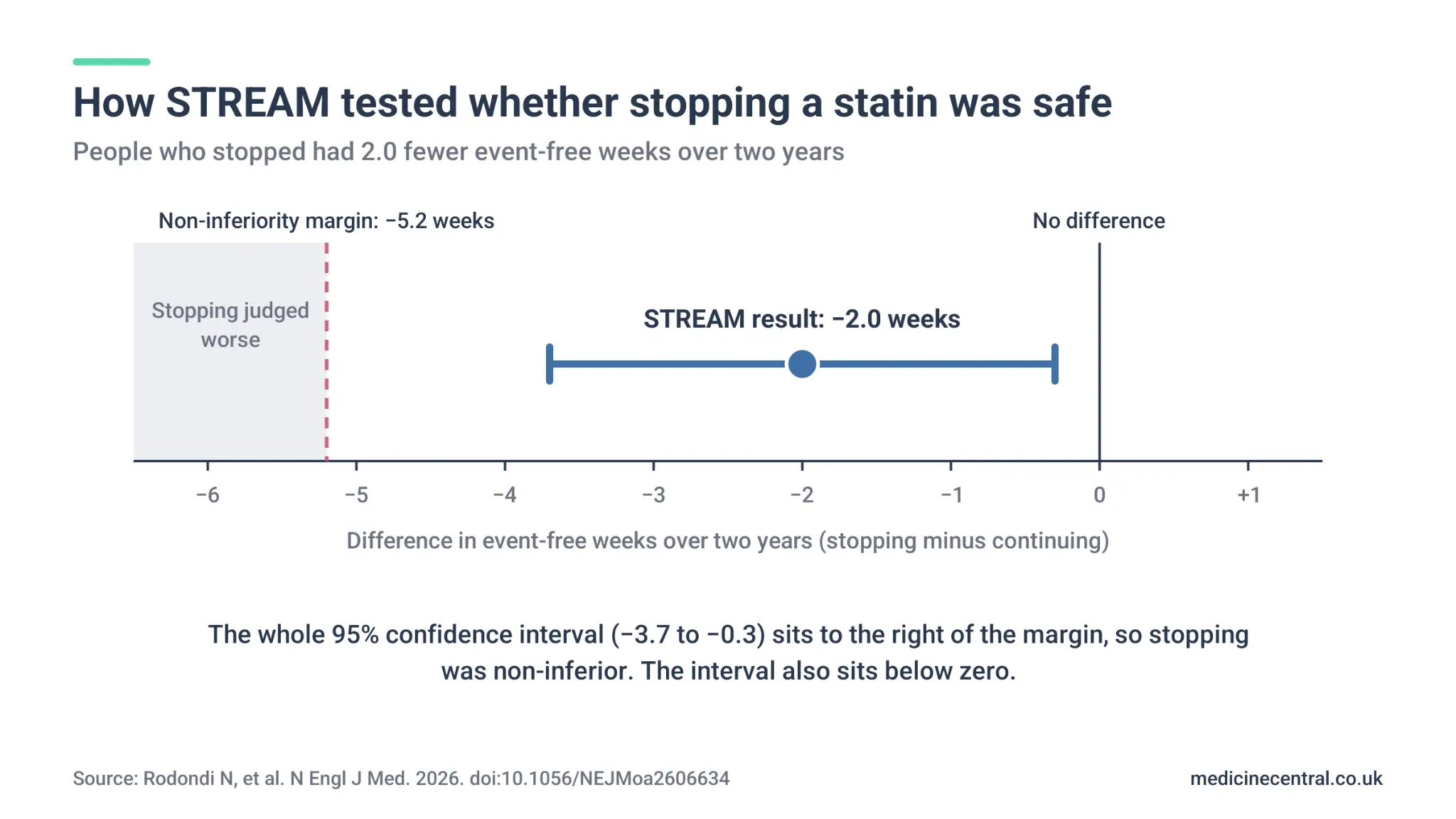
Figure 1. How STREAM tested whether stopping a statin was safe.
Over a median of 103 weeks, events were more common after stopping:¹
Heart attack, stroke or death: 12.7% versus 9.2% (HR 1.38, 95% CI 1.05 to 1.81)
Heart attack: 1.6% versus 0.6%
Ischaemic stroke: 2.2% versus 0.8%
Death from any cause: 9.8% versus 8.0%
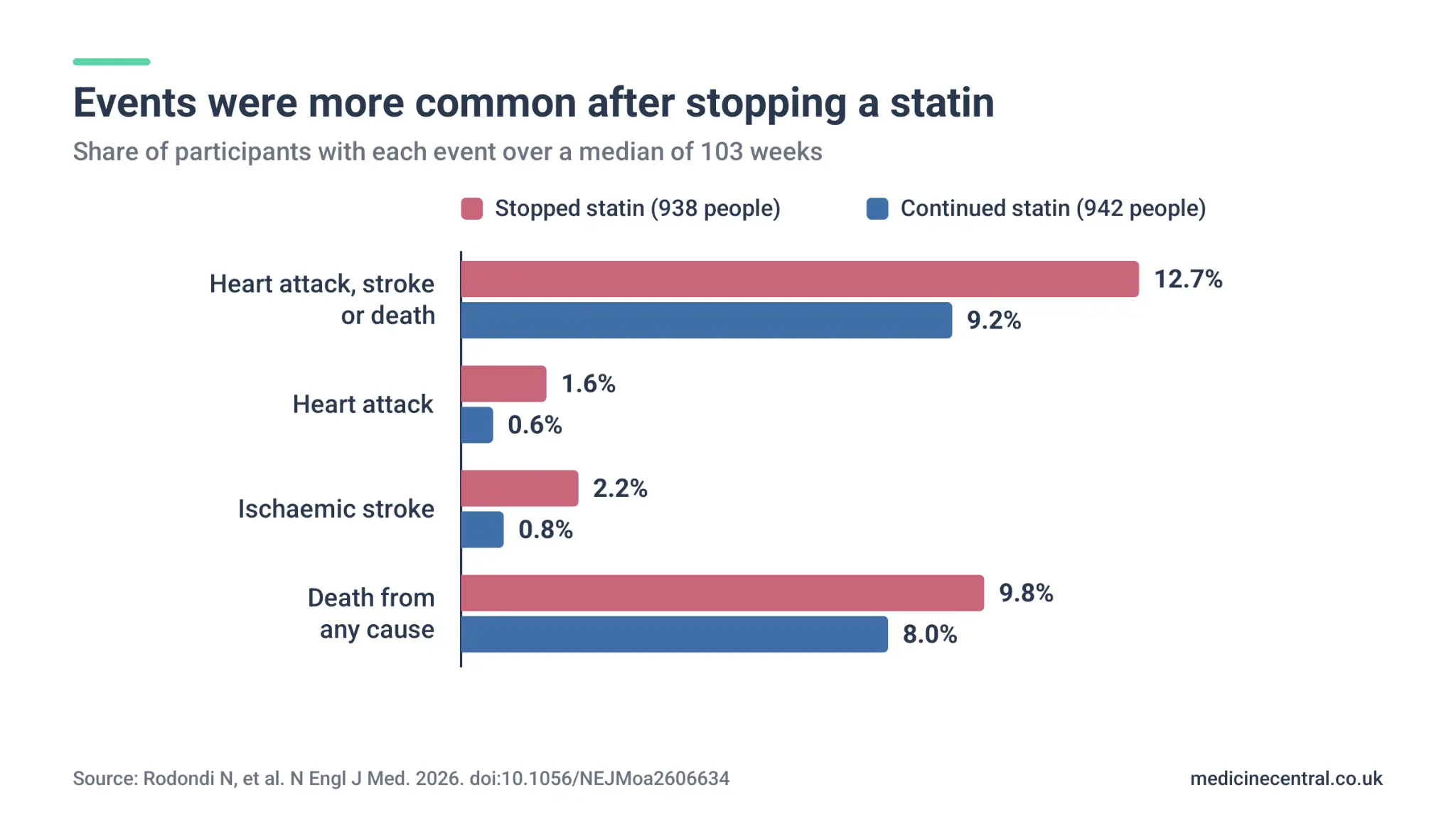
Figure 2. Events were more common after stopping a statin.
The authors estimate one extra major cardiovascular event or death over two years for every 40 people who stopped. Stopping brought no gain in quality of life, pain, falls or sarcopenia risk. After the trial closed, the safety board recommended that people in the stopping group be advised to discuss restarting.¹
Two earlier studies frame the result. In English GP records, stopping was linked to more hospital admissions in fit and mildly frail people, but not in those with severe frailty. The French SAGA/SITE trial showed that stopping did not worsen mortality at three years in participants described by the STREAM authors as healthier.
What does this mean in primary care?
STREAM met its non-inferiority test, yet heart attacks, strokes and deaths were all more common after stopping.
Among people recruited by their GP, stopping cost 3.4 event-free weeks, against 1.1 weeks for those recruited in hospital.
Stopping did not improve how people felt.
People at high risk of dying within three months were excluded, so the trial does not speak to end-of-life care.
The authors state that the findings help with shared decision-making about careful discontinuation in primary prevention only.
References
Rodondi N, Haller ML, Bardoczi JB, et al. Discontinuing statins in older adults without cardiovascular disease. N Engl J Med. Published online 7 November 2026. doi:10.1056/NEJMoa2606634
Seeley AE, van der Veen R, Wang A, et al. Efficacy and safety of statin discontinuation in patients 65 years and older according to frailty status: a population-wide retrospective cohort study in England using Clinical Practice Research Datalink data. Lancet Healthy Longev. 2026; online first. doi:10.1016/j.lanhl.2026.100920
Bonnet F, Poulizac P, Rousselot N, et al. Discontinuation of statins for primary prevention of atherosclerotic cardiovascular disease in adults aged 75 years or older (SAGA/SITE): a multicentre, open-label, pragmatic, non-inferiority randomised trial. Lancet Healthy Longev. 2026;7(7):100884. doi:10.1016/j.lanhl.2026.100884